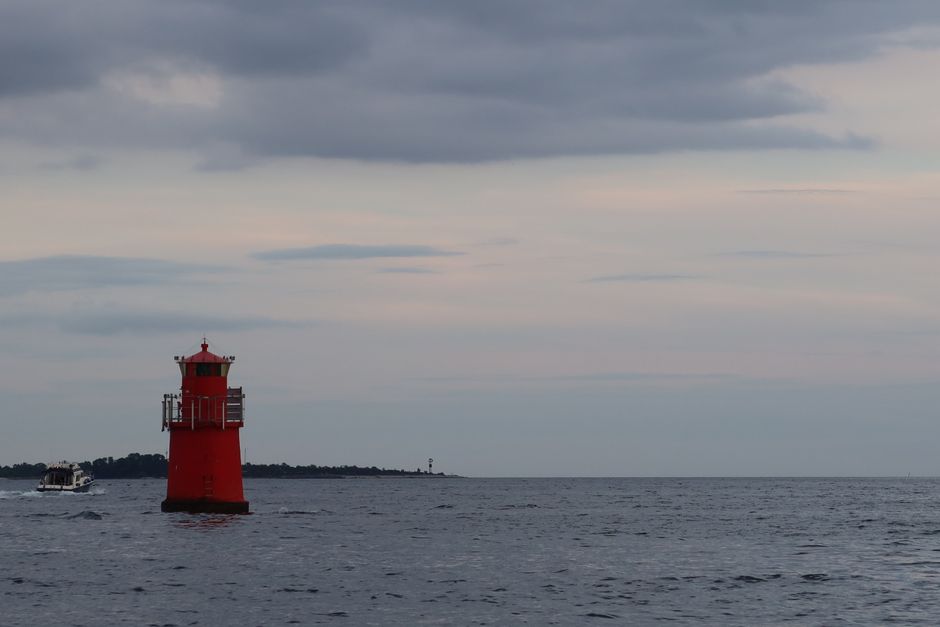
Gotland sits in the middle of the Baltic Sea with its west coast facing open water — and that geographic gift means the island is blessed with long, luminous sunsets that spill gold and pink across the sea almost every clear evening in summer. A clifftop, a medieval city wall, a windswept beach — watch from any of them and the light here has a quality that keeps visitors coming back year after year.
Why Gotland's Sunsets Are So Spectacular
Because Visby and much of Gotland's most-visited coastline face west, the sun sets directly over the Baltic Sea rather than behind land. In midsummer, with Gotland's mild microclimate keeping the skies clear more often than on the Swedish mainland, the golden hour can stretch well past 10 pm. The island's flat limestone landscape and open horizons mean there is rarely anything to interrupt the view — just sky, sea and light.
Top Spots to Watch the Sunset on Gotland
- Högklint — Approximately 7 km south of Visby, this clifftop viewpoint is one of Gotland's most celebrated vantage points. The cliff drops sharply to the Baltic below, and on a clear evening the town of Visby is visible to the north while the sun sinks into the sea ahead of you. Bring a jacket — the breeze can be brisk even in summer.
- Visby City Wall (Ringmuren) — The medieval fortification that wraps around Visby's old town is approximately 3.5 kilometres long and dates mainly from the 13th century. Walking sections of the wall as the light fades is a memorable experience. Several of the towers and open stretches along the western side offer unobstructed views out over the rooftops and towards the sea.
- Visby Harbour and Almedalen — The harbour area and the nearby park of Almedalen sit close to the waterfront and require no walking at all. Locals and visitors alike gather here on summer evenings. It is an easy, relaxed spot that is especially lovely during Medieval Week in August, when the old town is lit by torches and lanterns.
- Fårö and Langhammars — For something wilder, take the short free ferry crossing north to Fårö. The raukar — ancient limestone sea stacks — at Langhammars stand along the shore like silent sentinels, and watching the sun descend behind them is genuinely unforgettable. The contrast of the pale stone, dark water and orange sky is unlike anything else in Sweden.
- The western coastline — Beyond these named spots, much of Gotland's approximately 800-kilometre coastline (including Fårö) offers informal sunset viewpoints. Quiet beaches, grassy headlands and small harbour areas along the west side of the island can all reward those willing to explore.
Tips for Making the Most of Sunset on Gotland
Summer sunsets in Gotland arrive late — often well after 9 pm in June and July — so there is no need to rush your dinner. Arriving at your chosen spot 30 to 45 minutes before sunset gives you time to settle and watch the light change gradually. During Medieval Week (week 32 in August), the streets of Visby take on an especially atmospheric glow at dusk, with costumed performers and market stalls still active as the sun drops. If you plan to visit Fårö, check local ferry crossing times before you go, as the last crossing of the evening has a set schedule.
A light layer of clothing is always worth carrying, even on warm days. The sea breeze picks up noticeably once the sun is low, particularly at elevated spots like Högklint.
Frequently Asked Questions
Q: Is Högklint accessible by public transport?A: Access to Högklint and other viewpoints can vary by season. Check with the local tourist information office in Visby or ask at your accommodation for the most current transport options during your visit.
Q: Can I watch the sunset from the Visby city wall?A: Parts of the city wall and its surroundings are accessible to walkers. The western sections in particular face out towards the Baltic. For specific access points and any restrictions, it is worth checking locally when you arrive in Visby.