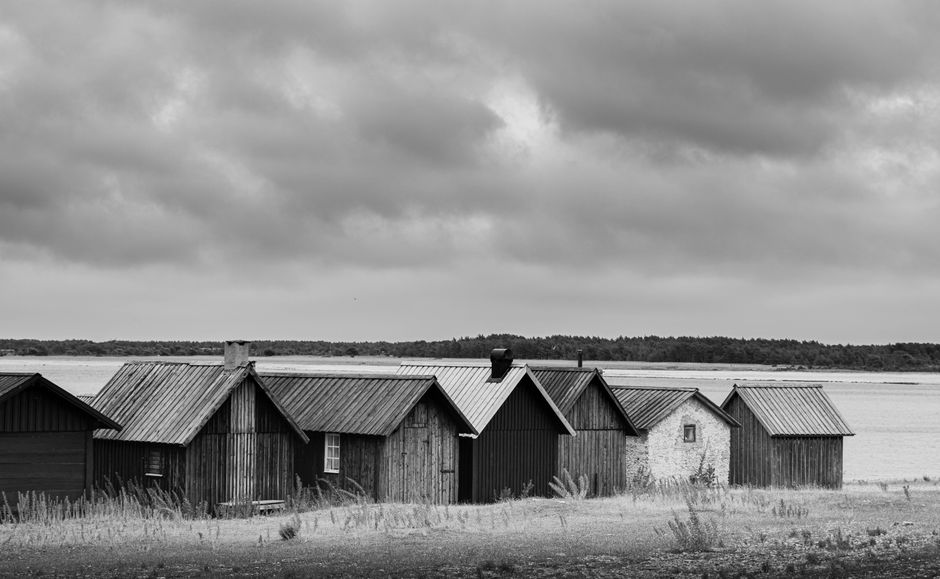
Most visitors to Gotland head straight for Visby on the west coast — and with good reason. But the island's east side rewards those who venture further. The villages of Roma, Kräklingbo and Ljugarn form a loosely connected route through the island's interior and out to the Baltic coast, offering a slower, more local experience of Gotland.
What Makes Gotland's East Coast Worth Visiting?
Gotland's east coast is less developed than the west, which means quieter roads, open farmland and stretches of coastline where you may find yourself almost alone. The island's mild microclimate compared to the Swedish mainland makes the whole island pleasant to explore on foot or by bicycle during summer, and the east is no exception. The landscape blends pine forest, agricultural land and limestone outcrops — all characteristic of Gotland's geology. Along the coast, you may encounter raukar, the distinctive limestone sea stacks for which Gotland is famous, though the most celebrated formations are found on Fårö to the north.
Roma, Kräklingbo and the Medieval Churches
Gotland is home to approximately 92 medieval churches dating from the 12th to 15th centuries, and the east coast parishes have their share. The village of Roma, located roughly in the centre of the island, is known for the ruins of a medieval monastery — a striking reminder of the island's religious past. The ruins stand in an open setting and are accessible to visitors, making Roma a worthwhile stop on any inland route.
Kräklingbo, a small rural parish to the east of Roma, has its own medieval church that is considered a characteristic example of Gotlandic ecclesiastical architecture. As with many of Gotland's ancient churches, it has served its community continuously across the centuries. Check locally for visiting hours, as opening times can vary by season.
Ljugarn: Gotland's East Coast Seaside Village
Ljugarn is the main coastal settlement on the east side of the island and has historically functioned as a small seaside resort. Its sandy beach and relaxed atmosphere attract Swedish families looking for a quieter alternative to the busier beaches closer to Visby. The area around Ljugarn features rocky shoreline alongside sandy sections, and in some areas you may find raukar formations within easy walking distance. The village itself is small — you may find a café or basic provisions locally, but it is worth planning ahead if you are staying in the area.
- Ljugarn is well suited to cycling and walking — Gotland's flat terrain makes it accessible for most fitness levels.
- The surrounding countryside offers opportunities to explore on foot along coastal and inland paths.
- The area is quieter than Visby, making it a good base for those seeking a more rural Gotland experience.
Frequently Asked Questions
Q: How do I get from Visby to Ljugarn and the east coast villages?A: The most flexible way to explore Roma, Kräklingbo and Ljugarn is by rental car or bicycle. Gotland's roads are generally quiet and well suited to cycling. Public bus services do connect parts of the island, but frequency may be limited outside peak season — check current timetables locally or with Gotland's regional transport authority before travelling.
Q: Is the east coast suitable for families with children?A: Yes, in general. Ljugarn's sandy beach is popular with families, and the flat, rural landscape around Roma and Kräklingbo is easy to explore. Facilities are more limited than in Visby, so it is worth bringing supplies and confirming that any accommodation or services you need are open before you arrive.