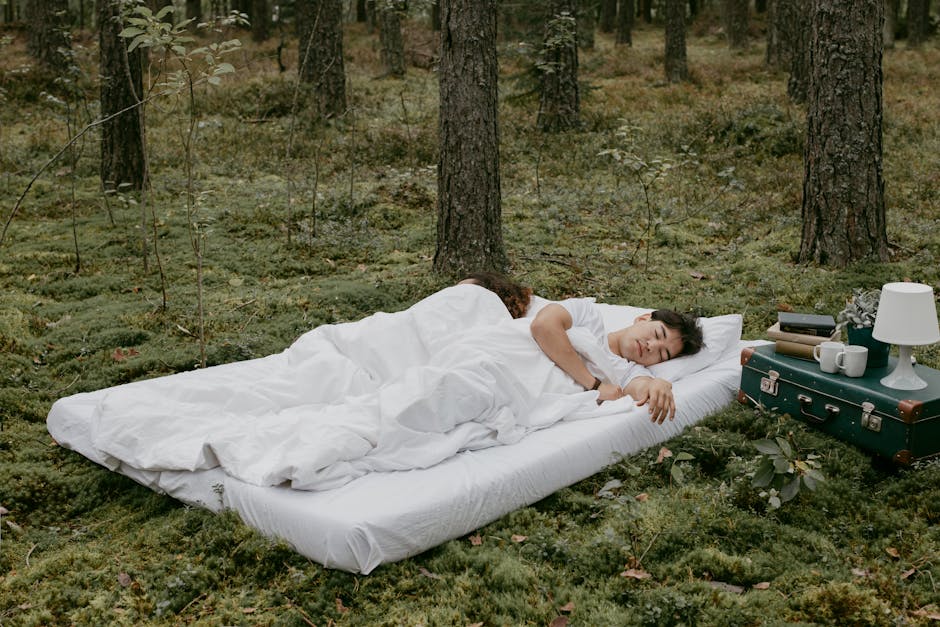
Gotland's roughly 800 kilometres of coastline, open meadows, and dramatic limestone landscapes make it one of Sweden's most appealing destinations for sleeping under the stars. Pitching a tent near the famous raukar sea stacks or finding a quiet spot among the island's forests and fields — understanding the rules and practicalities of wild camping on Gotland will help you have a safe, respectful, and memorable experience either way.
Is Wild Camping Legal on Gotland?
Sweden's Allemansratten — the Right of Public Access — allows everyone to move freely through and camp in the Swedish countryside, including on Gotland. In general, you may pitch a tent for a short stay in most natural areas as long as you keep a reasonable distance from private homes, do not damage the land, and leave no trace when you go.
Allemansratten comes with important responsibilities. You must:
- Not disturb or damage crops, plants, or wildlife
- Take all litter with you when you leave
- Avoid lighting open fires during dry periods or when fire bans are in place
- Respect any areas marked as nature reserves, where additional restrictions may apply
- Keep a considerate distance from the nearest private dwelling
Always check locally for any active fire bans or nature reserve regulations before you set up camp, as these can change seasonally and at short notice.
Where to Find Good Wild Camping Spots on Gotland
Gotland's varied landscape offers a range of outdoor sleeping experiences. The island's coastline includes long sandy beaches, dramatic cliffs, and areas where the iconic raukar limestone sea stacks rise from the shore — most famously in the Farö area and at Langhammars. Camping within sight of these ancient formations, with the Baltic Sea close by, is an experience that draws many visitors.
Farö, the separate island accessible by a short free ferry crossing north of Gotland, is particularly suited to low-impact camping. Its open heathland, beaches, and raukar make it a rewarding destination for nature-minded travellers, though you should always respect any posted signs and local land use.
Inland areas of Gotland offer quieter alternatives, with open forests and farmland where you may find suitable spots away from the busier coastal routes. The island's mild microclimate compared to the Swedish mainland means that summer nights are generally comfortable for tent camping.
The viewpoint at Hogklint, located approximately 7 km south of Visby, gives a sense of the wild, open character of Gotland's western coastline — the kind of landscape that attracts those looking for an outdoor adventure close to the island's main town.
Practical Tips for Sleeping Outdoors on Gotland
- Leave no trace. Pack out everything you bring in. This is both a legal requirement under Allemansratten and a matter of respect for the island's natural environment.
- Check fire restrictions. Gotland can be dry in summer, and fire bans are issued when conditions make open fires dangerous. Always check current conditions before building any fire.
- Bring insect protection. Coastal and forested areas can have mosquitoes and other insects, particularly in early summer.
- Respect nature reserve boundaries. Some of Gotland's most scenic coastal areas are protected, with rules that may limit or prohibit camping. Look for information boards at entrances or ask locally.
- Carry drinking water. Fresh water is not guaranteed at wild camping spots, so bring what you need or confirm availability before you go.
- Plan your ferry travel early. Getting to and from Gotland via the Destination Gotland ferry service from Nynäshamn or Oskarshamn requires advance booking, especially in summer.
Frequently Asked Questions
Q: Can I wild camp anywhere on Gotland?A: In most natural areas, yes. Sweden's Allemansratten gives you the right to camp for a short period on open land and in forests, provided you keep a respectful distance from private homes, cause no damage, and leave no trace. Some areas, particularly nature reserves, may have specific restrictions, so check locally before setting up camp.
Q: Do I need a permit to wild camp on Gotland?A: In general, wild camping under Allemansratten does not require a permit for short stays in most natural areas. However, protected nature reserve areas may have their own rules. Check with local tourism offices or information boards on site before camping in any area that appears managed or protected.