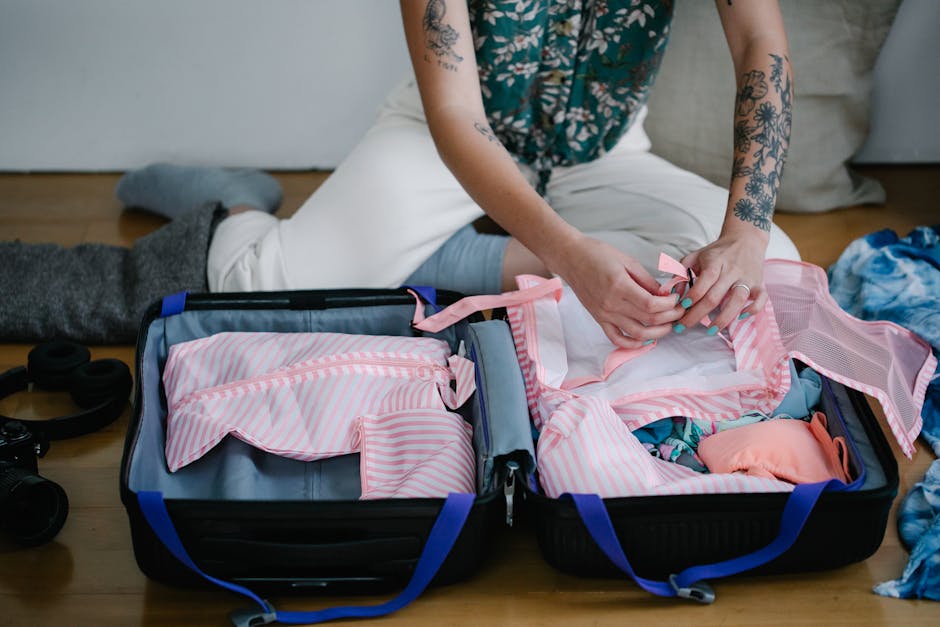
Gotland rewards visitors who come prepared. The island sits in the Baltic Sea with a mild microclimate compared to the Swedish mainland, but conditions can still shift quickly — sunshine in the morning, sea breeze by afternoon. Visby's UNESCO-listed medieval streets, limestone sea stacks on Fårö, the costumed crowds at Medieval Week in August — what you pack will shape how much you enjoy each of these.
Clothing: Layer for Sun, Wind and Cobblestones
Gotland's summers are warm and often sunny, but the Baltic wind can make evenings feel cool, especially near the coast. A few smart clothing choices will carry you through varied conditions.
- Light, breathable layers — T-shirts and a long-sleeved mid-layer for cooler evenings or windy coastal walks.
- A compact windproof or waterproof jacket — essential for ferry crossings and coastal trails, where exposure to the sea breeze is unavoidable.
- Comfortable walking shoes with ankle support — Visby's cobblestone streets and the rocky terrain around the raukar at Langhammars on Fårö are hard going in flat-soled shoes.
- Sandals or flip-flops — for Gotland's long sandy beaches.
- A swimsuit — the island's coastline stretches approximately 800 kilometres, and beach swimming is one of the great pleasures of a Gotland summer.
- One smart-casual outfit — useful for evenings in Visby or during Almedalen Week in late June.
Gear for Sightseeing and Nature
Gotland has approximately 92 medieval churches scattered across the island, most dating from the 12th to 15th centuries, as well as dramatic coastal landscapes and the viewpoint at Högklint, around 7 km south of Visby, with sweeping views over the town and the Baltic. Getting the most from these sites means being ready for both culture and outdoor exploration.
- Daypack — for carrying water, snacks and a layer when cycling or walking between churches and coastal sites.
- Reusable water bottle — staying hydrated on warm days of sightseeing is important.
- Sun protection — high-SPF sunscreen, sunglasses and a hat. The open limestone landscapes offer little shade.
- Insect repellent — useful in wooded and marshy areas, particularly in early summer.
- Camera or spare phone storage — the raukar sea stacks, medieval ruins and Visby's city wall, originally featuring 44 towers and stretching approximately 3.5 kilometres, are endlessly photogenic.
- A small guidebook or offline map — mobile signal can be patchy in rural parts of the island.
Practical Essentials Not to Forget
A few logistical items will save you stress, especially if you are travelling in peak summer when Gotland is busy.
- Ferry booking confirmation — Destination Gotland operates the main ferry routes to Visby from the Stockholm area and from Oskarshamn. Ferries sell out early in summer, so keep your booking details accessible.
- Swedish krona or a widely accepted card — Sweden is largely cashless, but carrying a small amount of cash can be handy at smaller rural stalls and markets.
- Reusable bag — for market shopping, especially during Medieval Week in August, when Visby fills with street traders.
- An appetite — no visit is complete without trying saffranspannkaka, Gotland's traditional saffron pancake served with dewberry jam and whipped cream, available at local cafes and markets around the island.
Frequently Asked Questions
Q: Do I need special gear to visit the raukar on Fårö?A: No specialist equipment is required, but sturdy walking shoes with good grip are strongly recommended. The limestone terrain around the sea stacks can be uneven and slippery. Fårö is reached by a short, free ferry crossing from northern Gotland.
Q: Is there anything specific to pack for Medieval Week in Visby?A: Medieval Week takes place in August and attracts large crowds. Comfortable walking shoes, sun protection and a light rain layer are practical priorities. Many visitors hire or buy period costumes locally to join in the atmosphere — it is entirely optional but adds to the fun.