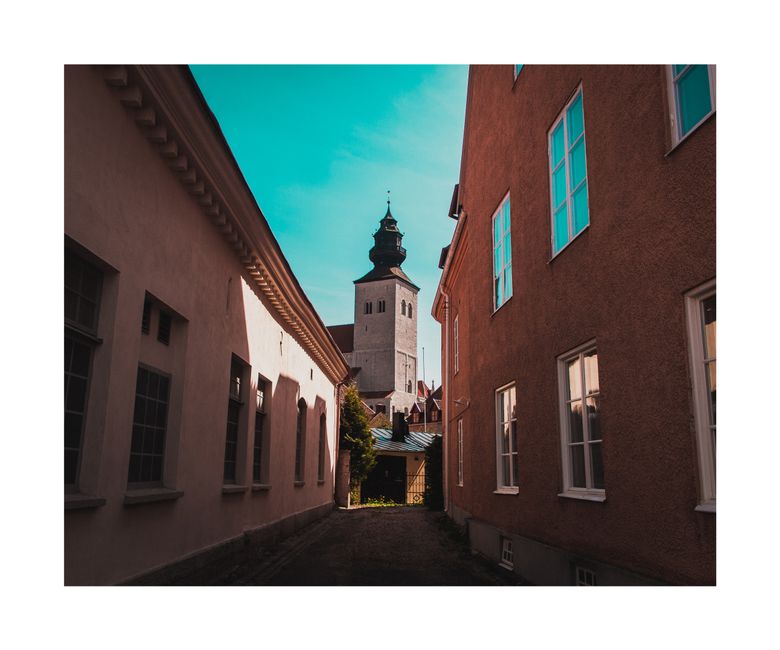
Gotland has a reputation as a summer playground for well-heeled Swedes, but the island is far more accessible than it might appear. With some smart planning, you can experience raukar, medieval ruins and long sandy beaches without draining your bank account. Here is how to do Gotland on a budget.
How Expensive Is Gotland, Really?
The honest answer is that costs depend heavily on timing and flexibility. Peak summer — particularly July and early August — brings higher prices for accommodation and ferries. Travel in June or early September and you will typically find things noticeably cheaper, while the island's mild microclimate means the weather is often still excellent. Booking the ferry well in advance also makes a significant difference. Destination Gotland operates ferries from Nynäshamn (near Stockholm) and Oskarshamn; early bookings can be considerably cheaper than last-minute tickets. Check their official site for current fares and timetables before you travel.
Free and Low-Cost Things to Do
Gotland is genuinely generous with free experiences. Some of the best the island offers costs nothing at all.
- Walk the Visby city wall. The medieval Ringmuren, built mainly in the 13th century and stretching approximately 3.5 kilometres, can be walked and admired from outside at no charge. It is one of the best-preserved medieval city walls in northern Europe.
- Explore the Visby Botanical Garden. Open to visitors free of charge, this peaceful garden dates back to the 1830s and sits right in the heart of the old town.
- Visit Gotland's medieval churches. The island has approximately 92 medieval churches dating from the 12th to 15th centuries, scattered across the countryside. Many are open to visitors and exploring them by bicycle makes for an affordable and rewarding day out.
- Walk to Högklint. This viewpoint roughly 7 km south of Visby offers sweeping views over the town and the Baltic Sea — and it costs nothing to stand there and take it all in.
- See the raukar. Gotland's iconic limestone sea stacks are simply there, rising from the coastline. The most famous formations are at Fårö and Langhammars. Fårö is reached by a short free ferry crossing from northern Gotland.
- Swim for free. Gotland's coastline stretches approximately 800 kilometres, including Fårö, and beaches are publicly accessible under Sweden's right of public access.
Budget Tips for Food, Getting Around and Accommodation
Getting around: Renting a bicycle is one of the most affordable and enjoyable ways to explore Gotland. Bus services connect Visby with many parts of the island, though you should check current timetables locally. If you are arriving by ferry, the terminal in Visby is within walking distance of the old town, so there is no need to pay for a taxi on arrival.
Food: Self-catering saves money on any island trip, and local markets and supermarkets in Visby are a good place to stock up. If you do want to eat out, look for lunch deals, which tend to be considerably cheaper than dinner menus. And do try a saffranspannkaka — the traditional Gotland saffron pancake served with dewberry jam and whipped cream. You may find it sold at local markets or cafes, sometimes at reasonable prices.
Accommodation: Camping is among the most affordable options on the island, and Gotland has several campsite areas. Hostel-style accommodation and self-catering cottages can also offer good value, particularly if you are travelling as a group. Search and compare options early — good budget accommodation fills up fast in summer.
Timing your visit: If you can visit during Almedalen Week in late June or Medieval Week in August (week 32), the streets fill with free outdoor performances, markets and events that add tremendous value to your trip at little or no extra cost.
Frequently Asked Questions
Q: What is the cheapest way to get to Gotland?A: The ferry is generally the most affordable option, especially if booked well in advance. Destination Gotland operates services from Nynäshamn and Oskarshamn. Flights from Stockholm, Gothenburg and Malmö are available but tend to cost more, particularly in peak season.
Q: Is Gotland worth visiting outside of peak summer?A: Yes. June and September offer milder crowds, lower prices and often pleasant weather thanks to Gotland's mild microclimate. Many of the island's best free attractions — the coastline, churches and Visby's old town — are just as rewarding outside of July.