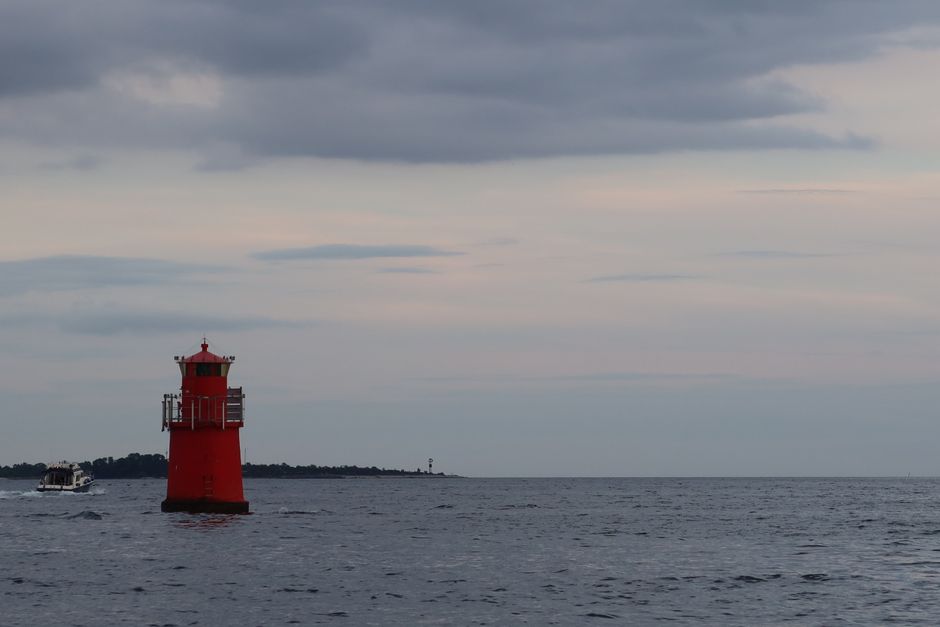
Arriving at Gotland under sail is one of the great Baltic Sea passages. Sweden's largest island sits in open water, and approaching its coastline — roughly 800 kilometres of it, including the island of Fårö to the north — gives you a sense of arrival that no ferry can quite match. If you own a boat and are considering making the crossing, this guide covers the essentials.
Planning Your Crossing to Gotland
Gotland lies in the middle of the Baltic Sea, well offshore from the Swedish mainland. The crossing is well within reach of a seaworthy cruising boat, but it deserves careful passage planning. The Baltic is a relatively enclosed sea with its own weather patterns, and conditions can change quickly, particularly in summer when thermal winds build during the day. Check a reliable marine forecast before you depart, and monitor conditions throughout your crossing.
The island's main town, Visby, sits on the west coast and is the natural destination for most visiting sailors. Many boat owners departing from the Stockholm archipelago head toward Gotland via the outer skerries, while those coming from the south or from other Baltic nations have their own established routes. Plan your waypoints based on your departure port and the latest weather picture.
Arriving by Boat: Harbours and Moorings
Visby's guest harbour is the hub for visiting boats in summer. As with most popular Scandinavian sailing destinations, berths fill quickly during peak season — particularly in late June and throughout July and August. Arriving early in the day significantly improves your chances of finding a space. Harbour staff can usually advise on availability when you call ahead on VHF.
Beyond Visby, Gotland's long coastline offers a number of smaller harbour facilities and potential anchorage areas. Facilities and water depth vary considerably around the island, so consult an up-to-date Baltic pilot book and current charts before choosing a spot. Always verify local rules on anchoring, as some areas may have restrictions in place to protect the seabed or local wildlife.
If you plan to explore Fårö — the smaller island to the north, known for its dramatic raukar (limestone sea stacks) and wide sandy beaches — note that road access from Gotland is via a short free ferry crossing. Arriving by private boat requires checking local harbour options in advance, as facilities there are more limited than in Visby.
What to Do Once You Are Ashore
Tying up in Visby puts you within walking distance of one of the Baltic's most remarkable old towns. The medieval city wall — approximately 3.5 kilometres long and dating mainly from the 13th century — encircles a UNESCO World Heritage-listed town of cobblestone lanes and ruined church towers. Give yourself at least a full day to explore on foot.
If you visit in August (week 32), you will coincide with Medieval Week, when the town fills with costumed performers, markets, jousting and open-air theatre. It is an extraordinary atmosphere to sail into. Late June brings Almedalen Week, Sweden's major annual political forum, held in the park near the harbour — the town is lively but busy.
Ashore, look out for saffranspannkaka — the island's traditional saffron pancake, served with dewberry jam and whipped cream. It is as close to an official taste of Gotland as you will find.
Frequently Asked Questions
Q: Do I need special permits to sail into Gotland's harbours?
A: Requirements can vary depending on your vessel's flag state and the specific harbour. Check with Swedish maritime authorities and your national sailing association before departure to confirm any current entry or registration requirements.
Q: How far in advance should I arrange a berth in Visby?
A: Peak season — July in particular — is extremely busy. If your dates are fixed, contact the harbour well in advance. Flexibility with your arrival day and time gives you the best chance of securing a berth.