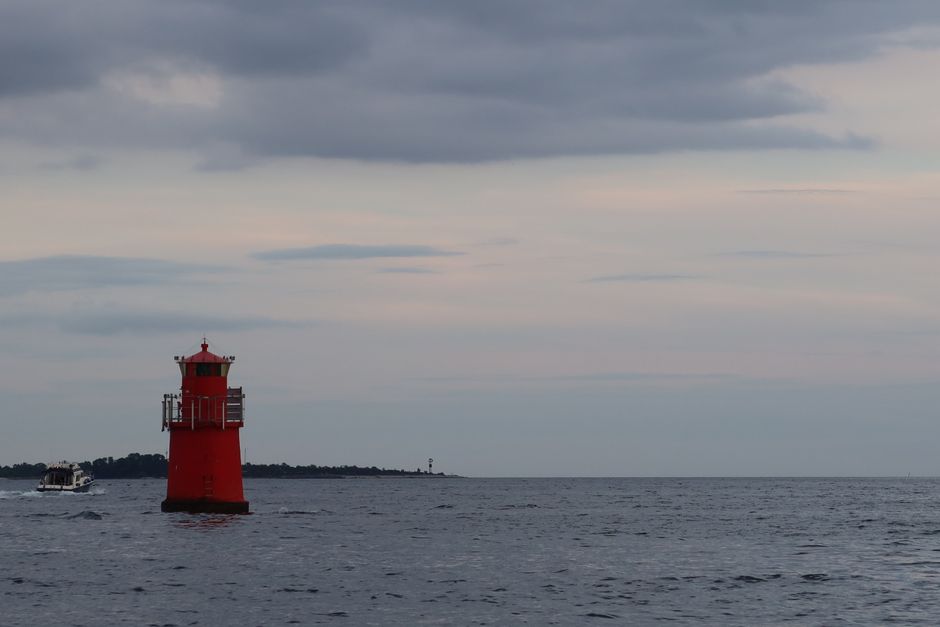
Gotland's coastline stretches for approximately 800 kilometres, including the island of Farö to the north, and much of that dramatic Baltic edge has historically been marked by lighthouses. For visitors who love coastal scenery, history and unhurried exploration, touring the island's lighthouses makes for a rewarding way to see a quieter, wilder side of Gotland beyond the medieval walls of Visby.
Why Gotland's Coastline Is Worth Exploring
Gotland is Sweden's largest island, sitting in the Baltic Sea with a remarkably varied coastline. Rocky headlands, long sandy beaches, and the famous raukar — striking limestone sea stacks — give each stretch of shore its own character. Lighthouses were built along this coast to guide ships through the Baltic, and many of these structures still stand today, some in remote and scenic locations that reward the effort of reaching them.
The island of Farö, accessible by a short free ferry crossing from the northern tip of Gotland, is particularly worth including in any lighthouse or coastal tour. Farö is known for its dramatic raukar formations, open sandy beaches, and a sense of quiet isolation that feels a world away from the bustle of peak-season Visby.
Planning a Lighthouse Tour Around Gotland
Because Gotland has no major motorway and distances can be greater than they appear on a map, a lighthouse tour is best approached over several days rather than as a single outing. Hiring a car gives you the most flexibility, as some coastal locations are not easily reached by public transport. Local tourism offices in Visby can advise on which lighthouses are currently accessible to visitors, which are in active operation, and whether any charge an entry fee or have specific visiting hours.
Some lighthouses are located on or near nature reserves, and in those areas you may find local guidelines about where to walk or park. It is always worth checking with local tourism offices before you travel to a specific site, particularly in summer when certain coastal areas can be busy.
- Start from Visby: The west coast road heading south from Visby passes through varied coastal scenery and is a comfortable introduction to the island's landscape.
- Head north to Farö: The free ferry to Farö makes it straightforward to extend your tour to the island's northern coast, where raukar and open skies create a memorable backdrop.
- Allow time to stop: Many of Gotland's most atmospheric coastal spots are found by pulling over and walking a short distance from the road. Pack comfortable shoes.
Combining Lighthouses With Other Gotland Highlights
A lighthouse tour pairs naturally with Gotland's other coastal attractions. The raukar at Langhammars on Farö are among the most photographed geological formations on the island and are easy to visit on the same day as nearby coastal landmarks. Inland, you may pass some of Gotland's approximately 92 medieval churches — a remarkable density of historic buildings that can add cultural depth to an otherwise nature-focused itinerary.
If you are based in Visby, the viewpoint at Högklint, roughly 7 kilometres south of the town, offers sweeping views over the Baltic Sea and gives a good sense of the coastal character you will encounter on a longer lighthouse tour.
Frequently Asked Questions
Q: Can you visit the lighthouses on Gotland?A: Access varies by location. Some lighthouses can be viewed from the outside and are in scenic spots open to all visitors, while others may have restricted access or limited opening hours. Check with the local tourist office in Visby for up-to-date information before you travel.
Q: Do you need a car to tour Gotland's lighthouses?A: A car is strongly recommended. Many coastal locations are not well served by public transport, and having your own vehicle allows you to explore at your own pace and reach more remote stretches of the coastline.