Gotland sits at the heart of the Baltic Sea, surrounded by roughly 800 kilometres of coastline, including the shores of the neighbouring island of Farö to the north. That much open water, scattered with limestone sea stacks and quiet stretches of shore, raises a natural question for visiting nature lovers: can you see seals or whales here? The Baltic does support marine mammals, and sightings around Gotland do occur, but this is wild nature rather than a guaranteed attraction. Here is what you should know before you visit.
Marine Mammals in the Baltic Sea Around Gotland
The Baltic Sea is home to a small number of marine mammal species. Seals are the most reliably spotted, and you may encounter them resting on rocks or swimming along Gotland's more remote stretches of coastline. The island's long and varied shoreline, with its distinctive raukar limestone sea stacks and quieter northern reaches near Farö, provides undisturbed habitat that seals sometimes favour.
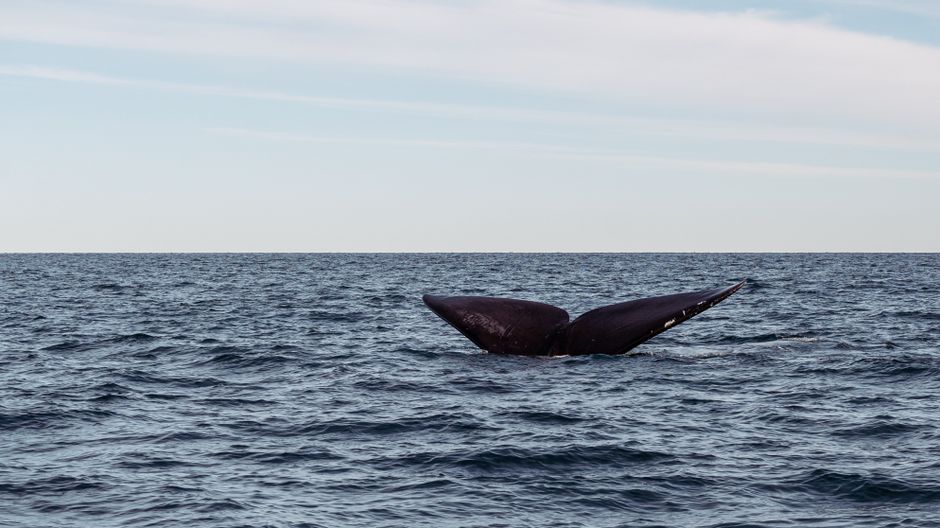
Larger cetaceans such as whales are far less common in the Baltic than in open ocean waters, and sightings close to Gotland are occasional rather than regular. Smaller cetaceans have historically been recorded in Baltic waters, though their numbers in the region are considered low. Treat any cetacean sighting as a rare and special bonus rather than something to plan a trip around.
Where and How to Look
The most promising approach is simply to spend time by the water, particularly along quieter and less crowded sections of Gotland's coast. The area around Farö, reached by a short free ferry crossing from the northern tip of Gotland, is known for its dramatic raukar landscapes and undisturbed shorelines, which can make for rewarding wildlife watching in general.
Local boat trips and coastal excursions are available in some areas during the summer season and may offer a better vantage point for spotting marine life than the shore alone. Check with local tourism offices or the harbour area in Visby to find out what guided or self-guided options are available during your visit. Operators and seasonal availability vary from year to year, so it is always worth asking on arrival.
- Scan the water from clifftop viewpoints — Hogklint, approximately 7 km south of Visby, offers elevated views over the Baltic and is a good spot to observe the open sea.
- Visit quieter coastal areas — the further from busy beaches you venture, the better your chances of encountering undisturbed wildlife.
- Bring binoculars — seals in particular are often spotted at a distance, resting on rocks or just offshore.
- Go early in the morning — coastal wildlife is generally more active and less disturbed before the beaches fill up in summer.
Responsible Wildlife Watching on Gotland
Watching seals from the shore or out on the water, keeping a respectful distance is essential either way. Seals that are hauled out to rest should never be approached closely, as disturbance can cause them to abandon resting sites. If you join a boat excursion, look for operators who follow responsible wildlife watching guidelines. Sweden has nature protection laws that apply to wildlife disturbance, so check current local guidelines before your visit.
Frequently Asked Questions
Q: Are whale sightings common around Gotland?A: No. Large whale sightings in the Baltic Sea near Gotland are rare. The Baltic is a low-salinity inland sea and does not support whale populations the way open ocean areas do. You may be lucky, but do not plan your trip specifically around whale spotting.
Q: Where is the best place to look for seals around Gotland?A: Seals can turn up along many parts of Gotland's long coastline. Quieter and less-visited stretches of shore, including areas around Farö, are generally more promising than busy summer beaches. Local tourism offices in Visby can advise on any known seal areas during your stay.