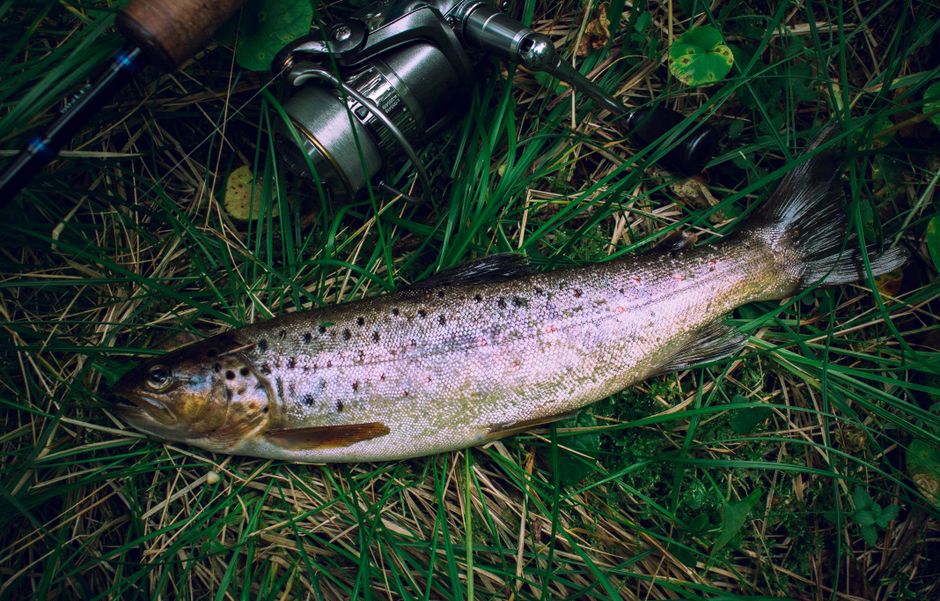
Gotland's coastline stretches approximately 800 kilometres, wrapping around Sweden's largest island in a mix of shallow flats, rocky shores, sandy beaches and sheltered bays. For visiting anglers, this variety of coastal habitat makes it an appealing destination for seatrout fishing — and the island's mild microclimate means the season can feel more forgiving here than on the Swedish mainland.
Why Gotland Attracts Seatrout Anglers
Seatrout (Salmo trutta) are a prized coastal species throughout the Baltic Sea, and Gotland's extensive shoreline offers a wide range of wading and shore-fishing opportunities. The island's relatively warm, shallow coastal waters can be productive during the cooler months of spring and autumn, when seatrout move close inshore to feed. Some stretches of coast feature the kind of mixed rocky and sandy bottom that seatrout favour, and the low boat traffic along many parts of the shore means conditions can be pleasantly undisturbed compared with busier mainland fisheries.
The northern island of Farö — reached by a short free ferry crossing from northern Gotland — also offers coastal access for anglers looking to explore further afield, with its rugged limestone coastline providing a distinctive backdrop.
When to Go and What to Expect
Seatrout fishing along Baltic coastlines is generally considered best in spring (March to May) and autumn (September to November), when water temperatures are cooler and fish are more active in shallow water. Summer can also produce fish, particularly early in the morning or late in the evening, though warmer water temperatures mean fish tend to move deeper during the heat of the day.
Shore fishing with a spinning rod or fly rod is the most common approach. Light lures, streamers and surface presentations can all be effective depending on conditions. Waders are useful along many stretches of coast, allowing you to reach cleaner water away from weed and rocks.
Permits, Rules and Responsible Fishing
Fishing regulations in Sweden can vary depending on the specific stretch of water and who holds the fishing rights. Some coastal areas are freely accessible under Sweden's general right of public access, while others may require a local fishing permit (fiskekort). Rules around catch limits, minimum sizes and closed seasons also apply and can change from year to year.
We strongly recommend contacting the local tourist office in Visby or a local fishing association before your trip to get up-to-date information on where permits are required, how to purchase them, and any current restrictions. Tackle shops on the island, where available, are often a practical first stop for local knowledge.
- Always check whether a permit is required for your chosen stretch of coast
- Familiarise yourself with Swedish national fishing regulations before arrival
- Handle fish carefully if practising catch-and-release
- Respect private land — not all coastal access points are publicly accessible
Combining Fishing with a Gotland Holiday
One of the appeals of seatrout fishing on Gotland is that it fits naturally into a broader island holiday. Early morning or late evening sessions on the water can be combined with daytime visits to Visby — the island's UNESCO World Heritage capital — and its medieval city wall, cobblestone streets and museums. Gotland's approximately 92 medieval churches are scattered across the countryside, making the drive between fishing spots an exploration in itself. After a day on the water, the island's traditional saffranspannkaka (saffron pancake served with dewberry jam and cream) is a local comfort food well worth seeking out.
Frequently Asked Questions
Q: Do I need a fishing licence to fish for seatrout on Gotland?A: Regulations vary by location. Some coastal areas may require a local fishing permit while others are freely accessible. Check with the Visby tourist office or a local fishing association before you arrive to confirm the current rules for your intended spots.
Q: What is the best time of year for seatrout fishing on Gotland?A: Spring and autumn are generally considered the most productive seasons for coastal seatrout fishing in the Baltic region, when cooler water temperatures bring fish into the shallows. Local conditions vary, so it is worth asking locally for up-to-date advice.