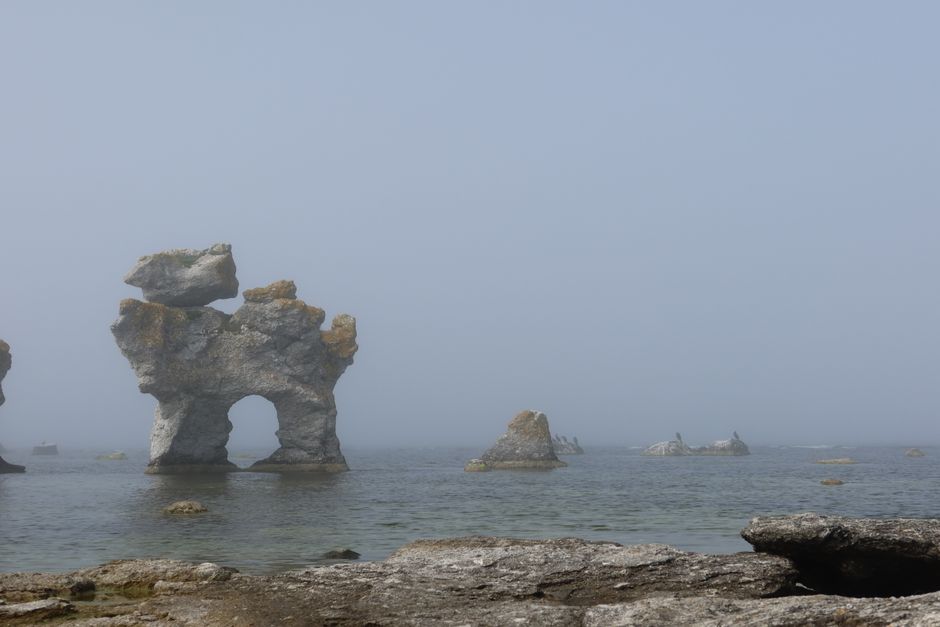
Gotland rewards photographers and curious travellers in equal measure. Ancient city walls, the Baltic light playing across limestone sea stacks, a sun-warmed medieval churchyard — the island offers scenery unlike anywhere else in Sweden at each of these. This guide walks you through the best viewpoints in Gotland so you can plan your shots and your days with confidence.
Where to Find Gotland's Most Stunning Views
The island's landscape is shaped by limestone, sea, and centuries of history. Its roughly 800-kilometre coastline — including the island of Fårö — delivers an endlessly varied backdrop, from flat sandy beaches to dramatic cliff edges. Inland, the 92 surviving medieval churches that dot the countryside each offer their own quiet, photogenic atmosphere. Here are the standout spots to put on your list.
Top Viewpoints and Photo Spots to Visit
- Högklint — Roughly 7 km south of Visby, Högklint is one of Gotland's most rewarding viewpoints. The cliff overlooks both the town of Visby and the open Baltic Sea, making it especially atmospheric at sunrise and sunset. The walk up is manageable for most visitors and the panorama across the rooftops and the harbour is well worth the effort.
- The Visby City Wall (Ringmuren) — Built mainly in the 13th century, this approximately 3.5-kilometre medieval fortification originally had 44 towers, many of which still stand. Walking along the wall and through its gates puts you at eye level with the UNESCO World Heritage Site from above — an unforgettable angle on Visby's cobblestone streets and ruined church facades below.
- Langhammars and the Fårö Raukar — Fårö, a separate island north of Gotland reached by a short free ferry crossing, is home to some of the most dramatic raukar — weathered limestone sea stacks — in the entire Baltic. Langhammars is the area most associated with these extraordinary formations. Visit in the long light of a summer evening for photographs that look almost otherworldly.
- Visby Cathedral (Sankta Maria Domkyrka) — Consecrated around 1225 and originally built by German merchants, the cathedral is a commanding presence in the Visby skyline. The surrounding streets and ruined church walls nearby create a layered medieval backdrop that rewards explorers with a camera at almost every corner.
- The Visby Botanical Garden — Free to enter and set within the old town, the Botanical Garden has been welcoming visitors since the 1830s. Its walled setting, ancient roses, and medieval ruins visible beyond the hedges make it a quieter, more intimate photo spot — ideal in the softer light of morning.
- Almedalen Park — Once a medieval harbour, Almedalen today is a green park along the Visby waterfront. It offers open views across the harbour and is a pleasant vantage point for capturing the relationship between the historic town and the sea that has always defined it.
Tips for Getting the Best Shots on Gotland
Gotland's mild microclimate means the island enjoys more sunshine hours than much of mainland Sweden, which is welcome news for photographers. The golden hour light here can be exceptional, particularly along the western coastline around Visby where the sun sets over the Baltic. Medieval Week, held in Visby in August, adds a striking human element to photographs — costumed visitors, market stalls, and jousting tournaments fill the cobbled streets and the area around the city wall. If you plan to photograph the raukar on Fårö, allow enough time to reach the island comfortably; the free ferry runs regularly but check local information for current schedules before you travel.
Frequently Asked Questions
Q: Is Högklint easy to reach without a car?A: Högklint lies roughly 7 km south of Visby. It is reachable by bicycle, which is a popular way to explore Gotland generally. Check locally for current bus options or bicycle rental availability when you arrive.
Q: Can I visit Fårö as a day trip from Visby?A: Yes — Fårö is accessible by a short, free ferry crossing from the northern tip of Gotland. A day trip is very feasible in summer, giving you time to see the raukar at Langhammars and the island's sandy beaches. Check local ferry timetables on arrival to plan your return crossing.