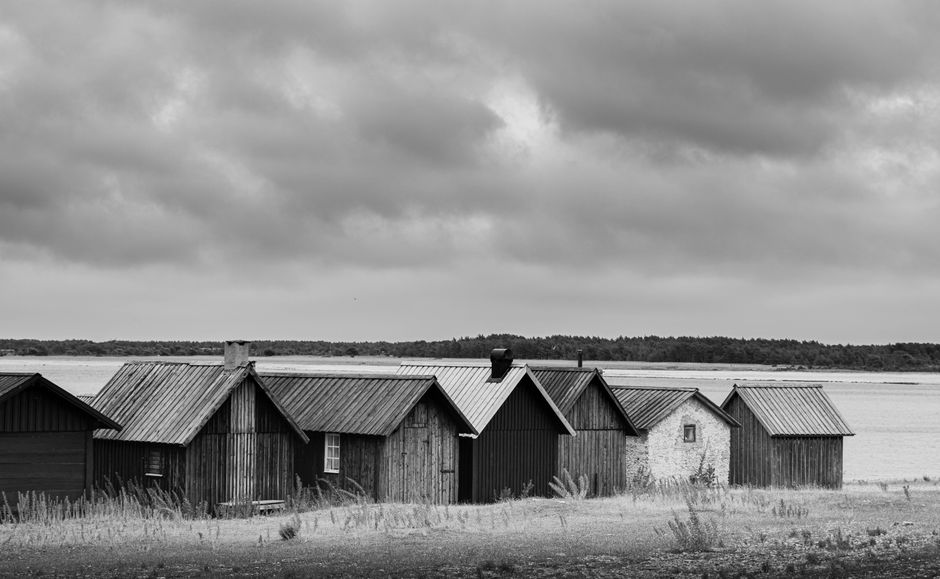
Gotland rewards photographers at every turn. From ancient limestone sea stacks rising out of a flat sea to candlelit medieval ruins draped in summer dusk, Sweden's largest island offers compositions that are genuinely hard to find anywhere else in Scandinavia. This guide covers the light, the landscapes and the timing so you can make the most of every shot.
Why Gotland is a Photographer's Dream
Gotland's position in the Baltic Sea gives it a mild microclimate and long summer evenings with soft, low-angled light that stretches well into the night. The island's palette shifts dramatically across the seasons — bleached limestone and turquoise water in summer, amber marshland and empty beaches in autumn, stark white snow against dark raukar in winter. With a coastline of approximately 800 kilometres (including the island of Farö), there is always a new shoreline to explore. Add roughly 92 medieval churches scattered across the interior and a UNESCO World Heritage walled town, and you have an extraordinary range of subject matter within a compact area.
Key Locations and What to Photograph
- Langhammars and Farö raukar: The limestone sea stacks known as raukar are among Gotland's most iconic images. The formations at Langhammars on Farö are particularly dramatic. Shoot at low sun angles — early morning or late evening — when the raking light carves shadows into every groove and the sea glows behind them. Farö is reached by a short, free ferry crossing from the north of Gotland.
- Visby city wall: The medieval Ringmuren runs for approximately 3.5 kilometres and retains many of its original towers, built mainly in the 13th century. The warm stone takes on a deep amber colour in evening light. Walk the perimeter and look for compositions that frame the sea or the cathedral through gaps in the wall.
- Visby Cathedral: Consecrated around 1225, the cathedral is photogenic from almost any angle. Early morning offers clean light and quiet streets before the summer crowds arrive.
- Hogklint: This viewpoint approximately 7 kilometres south of Visby gives sweeping views over the town and the Baltic Sea. It is a reliable spot for wide landscape shots and is particularly rewarding at sunset when the water reflects the sky.
- Medieval church interiors: Gotland's approximately 92 medieval churches — many in remote rural settings — offer remarkable interior light through Romanesque and Gothic windows. A wide-angle lens and a tripod will serve you well here. Check locally for opening times before visiting.
- Coastal landscapes: Beyond the raukar, Gotland has long stretches of sandy shoreline, meadows of wildflowers in late spring and early summer, and sheltered areas worth exploring. The island's mild climate means vegetation tends to be lush well into autumn.
Timing Your Visit for the Best Light and Atmosphere
Summer (June to August) brings the longest days and the warmest light. Golden hour can last well beyond 10 pm in midsummer, giving you extended shooting windows morning and evening. Medieval Week, held in Visby each August (week 32), fills the old town with costumed visitors, market stalls, jousting and open-air theatre — outstanding material for candid and documentary-style photography. Be aware that Visby is busy in summer, so arrive at popular spots early in the morning.
Spring (April to May) offers softer, less crowded conditions. Wildflowers bloom across the island's limestone meadows, and migrating birds pass through coastal areas. The light is clear and cool.
Autumn (September to October) is underrated for photographers. Crowds thin dramatically after late August, the light turns golden-amber, and the raukar stand out against moody Baltic skies. Colours in the island's woodland and wetland areas can be striking.
Winter is quiet and unpredictable, but a rare snowfall transforms the raukar and the old town into something extraordinary. The island's mild microclimate means winters are rarely severe, though ferry and flight schedules run less frequently — check current timetables before planning a winter trip.
Practical Tips for Photographing Gotland
- A tripod is useful for church interiors, twilight raukar shots and long exposures on the coast.
- Gotland's coastline can be windy, particularly on Farö — secure your tripod carefully.
- Respect private land and any signage around individual medieval churches and farms.
- If you plan to photograph inside churches, check locally whether photography is permitted and whether a small donation is expected.
- Ferry crossings to Gotland should be booked well in advance for summer travel, especially if you are bringing a vehicle with photography equipment.
Frequently Asked Questions
Q: When is the best time of year to photograph the raukar at Farö?A: The raukar photograph well year-round, but late spring and late summer evenings offer a combination of warm low-angled light and manageable crowds. Winter visits can produce dramatic moody images, though you should check ferry and road conditions in advance.
Q: Do I need a permit to photograph on Gotland, including inside the medieval churches?A: No general photography permit is required to shoot outdoors on Gotland. For individual churches and any privately managed sites, it is always worth checking locally, as policies can vary and some locations may have specific requests around tripods or flash photography.